
Computer Science & Engineering · University of Colorado Denver
Current research

Security research at the intersection of AI, cryptography and resilient systems

My current work develops practical defenses and analytical methods for blockchain systems, stream ciphers, agentic AI, digital forensics and critical infrastructure.

Featured work

Eight featured research directions

All publications
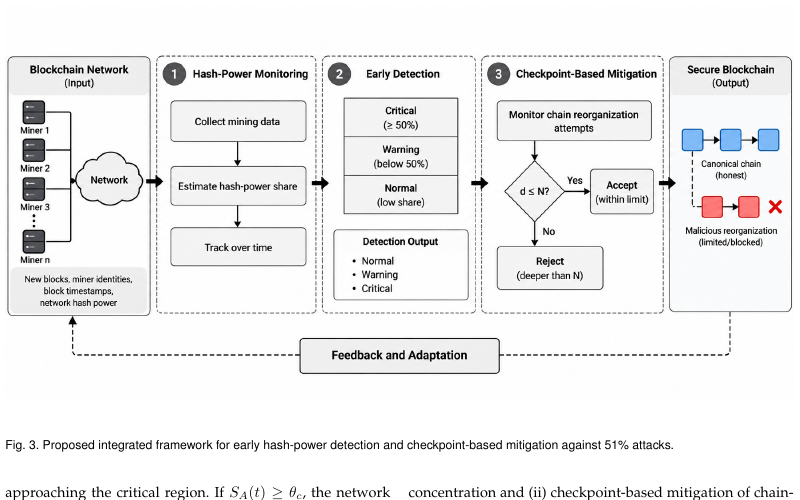
Integrated early-detection and checkpoint-based framework for mitigating 51 percent blockchain attacksDefense framework
Blockchain security · 2026

Mitigating 51% Attacks in Blockchain Systems Through Early Detection and Checkpoint-Based Defense

A layered defense monitors mining-power concentration, raises warning and critical alerts, and limits deep chain reorganizations through checkpoint enforcement. Simulation results show how detection lead time and checkpoint depth can work together to reduce attack impact.
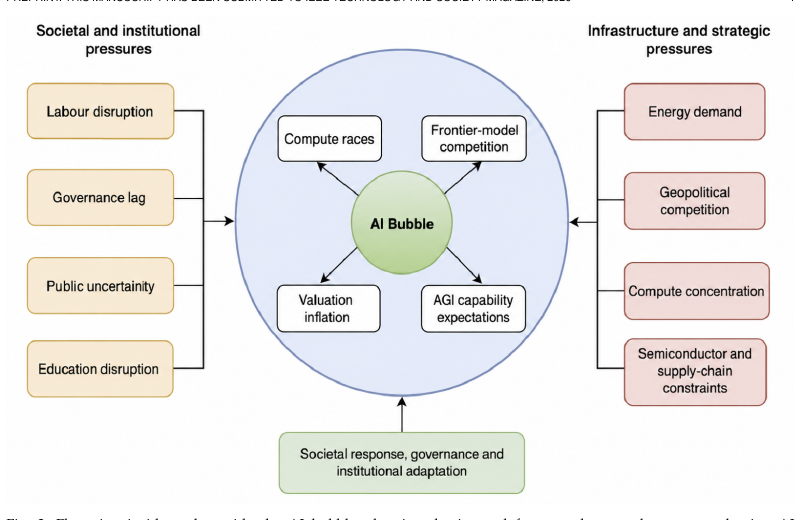
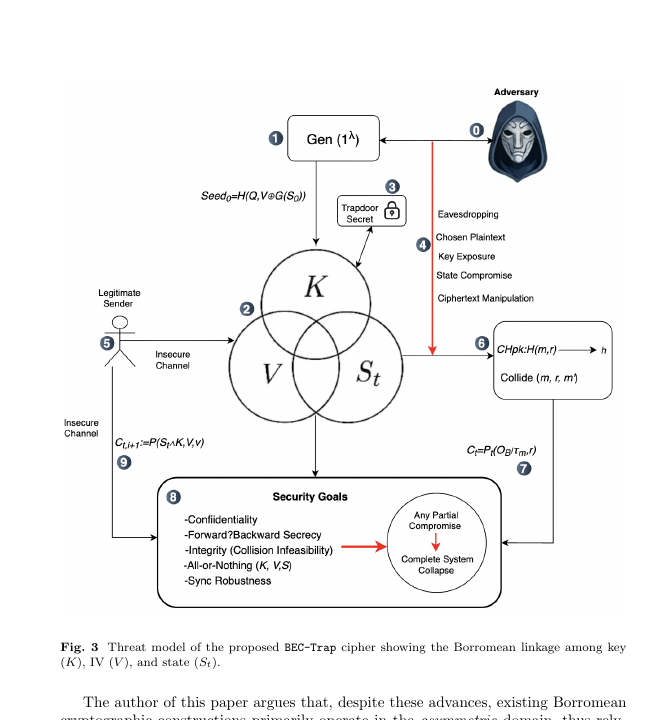
Diagram of internal and external pressures shaping the AI bubbleAI ecosystem pressures
AI systems and society · 2026

The End of AI Exponentiation: Fluttering Inside and Outside the AI Bubble

This work examines the friction behind scale-driven AI: compute races, valuation expectations, energy demand, governance lag and supply-chain constraints. It argues for a transition toward efficient, adaptive and reasoning-centered systems.

Threat model showing Borromean linkage among key, initialization vector and cipher stateBEC-Trap threat model
Applied cryptography · 2026

AoNT Trap: Borromean-Entangled Mutable Chameleon Trapdoor Hash All-or-Nothing Stream Cipher

BEC-Trap binds the key, initialization vector and cipher state so that partial compromise does not yield a useful fragment of the system. The construction combines Borromean interdependence, chameleon-hash mutability and an all-or-nothing transformation.

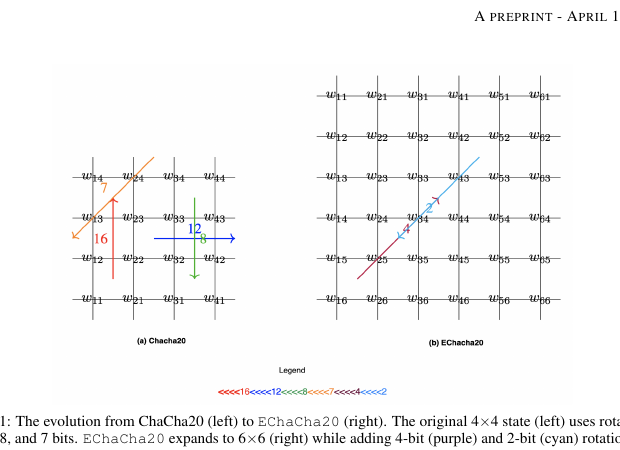
Comparison of ChaCha20 and EChaCha20 state layouts and rotation pathsCipher architecture
Stream-cipher analysis · 2026

Stringology-Based Cryptanalysis for EChaCha20 Stream Cipher

Classical string-matching ideas—including Knuth–Morris–Pratt and Boyer–Moore—are adapted to inspect word patterns in EChaCha20 keystreams. The study evaluates recurrence, diffusion and possible structural irregularities across multiple pattern lengths.

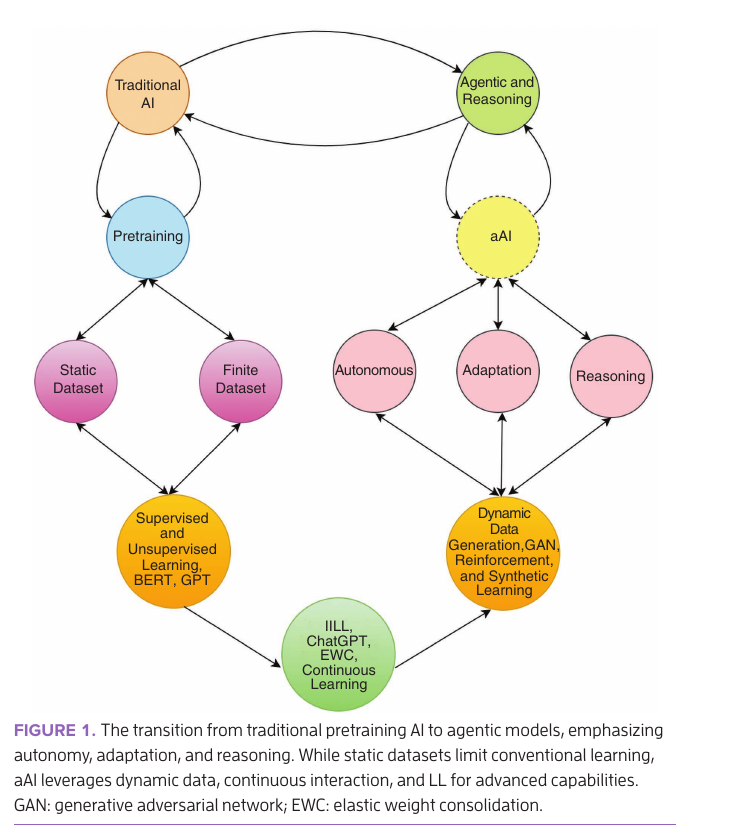
Transition from traditional pretraining AI to adaptive agentic and reasoning modelsPost-pretraining AI
IEEE Computer · 2026

The End of Pretraining for Large Language Models: The Future of Agentic and AI Reasoning Beyond Peak Data

As finite, high-quality training data becomes a constraint, AI development must move beyond static pretraining. The article maps a shift toward dynamic data generation, lifelong learning, tool use, adaptation and autonomous reasoning.

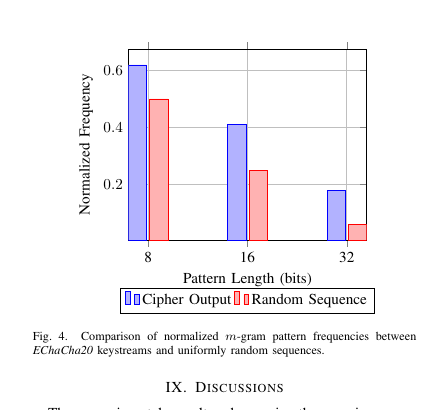
Comparison of normalized m-gram frequencies in EChaCha20 output and random sequencesNeural distinguisher results
Neural cryptanalysis · 2026

Neural Stringology Based Cryptanalysis of EChaCha20

This framework combines m-gram recurrence and positional statistics with machine learning to test whether reduced-round EChaCha20 outputs remain distinguishable from random sequences. It offers a complementary, data-driven view of diffusion and structural leakage.

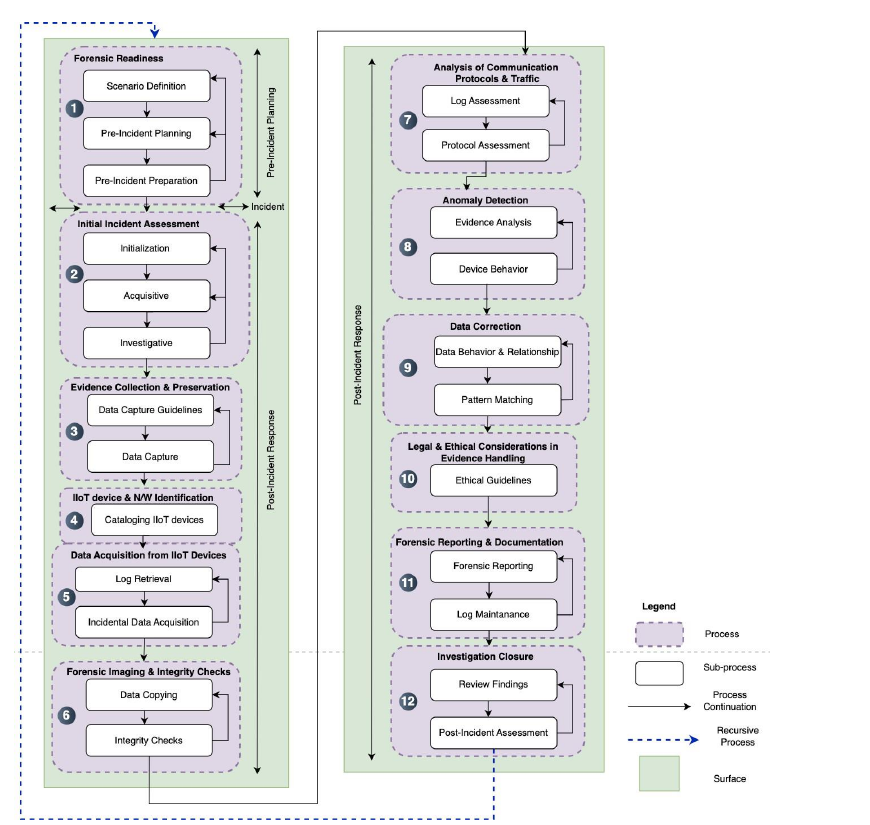
Twelve-step process for industrial Internet of Things digital forensics12-step forensic process
IIoT digital forensics · 2026

A 12-Step Process for Industrial Internet of Things (IIoT) Forensics

A structured investigation process connects forensic readiness, incident identification, evidence acquisition and analysis with reporting, reconstruction and post-incident improvement. It helps investigators preserve evidentiary value across complex industrial environments.

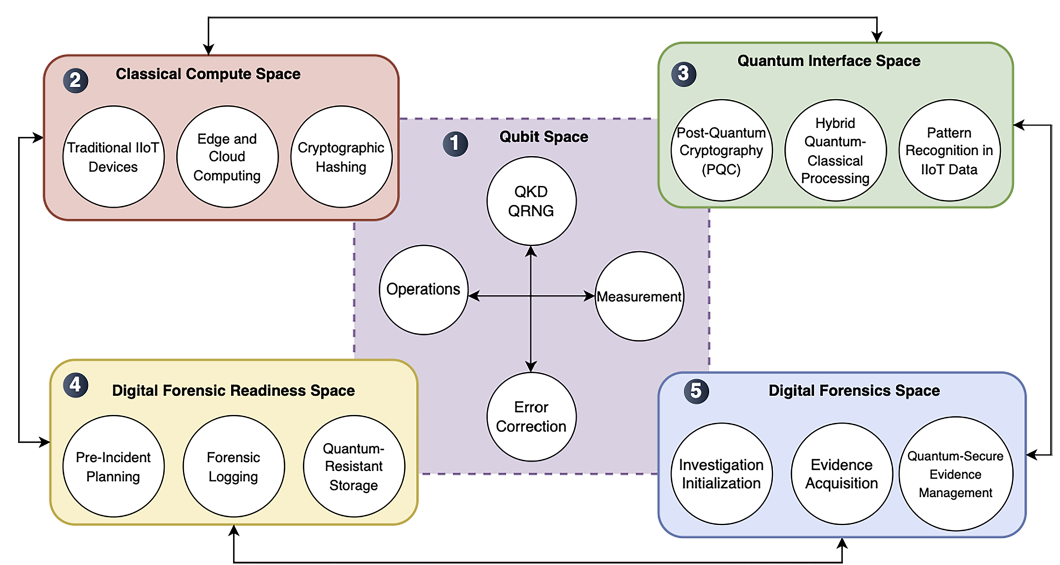
Quantum-safe industrial Internet of Things forensics frameworkQuantum-safe framework
Quantum-safe forensics · 2025

Quantum Computing in Industrial Internet of Things (IIoT) Forensics

This framework maps classical, qubit, quantum-interface, forensic-readiness and digital-forensics spaces into a coordinated investigation model. It identifies how quantum computation may strengthen evidence processing while introducing new cryptographic and operational risks.

Broader research themes

AI-driven cybersecurityDigital forensics & incident responseCritical infrastructureIoT/IIoT securitySecure distributed systemsThreat modeling & cyber risk